


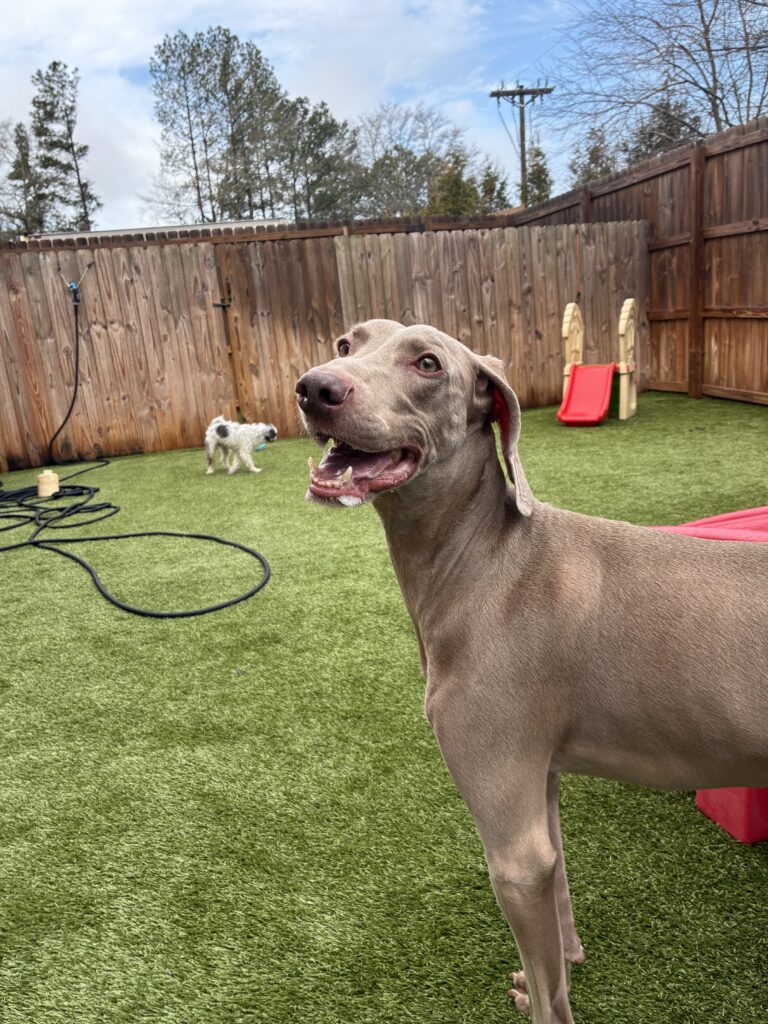
Potty training a female puppy requires consistency, supervision, regular bathroom breaks, and positive reinforcement. Take your puppy to the same outdoor area after meals, naps, playtime, and drinking water. Use one simple command, reward her immediately when she finishes, and avoid punishment when accidents happen.

Is Potty Training Different for a Female Puppy?
Potty training is generally the same for female and male puppies. Female puppies may be less likely to mark multiple areas, but they still need a predictable routine, frequent outdoor trips, and immediate praise when they use the correct bathroom spot.
Learn Your Puppy’s Potty Signals
Watch your puppy closely for signs that she needs to go outside. Common signals include sniffing the floor, walking in circles, scratching near a door, wandering away from play, whining, or suddenly becoming restless.
Take her outside as soon as you notice these behaviors. Acting quickly helps prevent accidents and teaches her that outdoor bathroom trips are part of her routine.
Choose One Bathroom Spot
Bring your puppy to the same outdoor bathroom area each time. Familiar smells help her understand what the area is for.
Choose one simple command, such as “Go potty,” and use the same words every time. Avoid changing the command because consistency helps your puppy connect the phrase with the behavior.
Follow a Consistent Potty Schedule
Young puppies need frequent bathroom breaks because they cannot hold their bladder for long periods. Take your puppy outside:
- Immediately after waking up
- After eating or drinking
- After playtime or excitement
- After spending time in a crate
- Before bedtime
- Whenever she begins showing potty signals
During the first few weeks, your puppy may need to go outside every one to two hours while awake. Her age, size, activity level, and feeding schedule can affect how often she needs a bathroom break.
Keep Potty Trips Calm and Focused
Take your puppy directly to the chosen bathroom spot and give her a few quiet minutes to sniff. Avoid turning the trip into playtime before she goes.
Once she finishes, praise her immediately and offer a small treat. The reward should happen within a few seconds so she understands exactly which behavior earned it.
After she goes potty, allow her to explore, walk, or play. This teaches her that using the bathroom first leads to more enjoyable outdoor time.
What to Do When Your Puppy Has an Accident
Accidents are a normal part of potty training. Do not hit, yell at, or frighten your puppy. Punishment can make her afraid to go to the bathroom near you, without teaching her where she should go instead.
If you catch her beginning to squat indoors, calmly interrupt her with a neutral sound, then take her directly to the outdoor bathroom spot. Praise and reward her if she finishes outside.
If you find an accident after it happened, simply clean the area thoroughly. Your puppy will not understand punishment for something that occurred earlier.
Use an enzymatic pet cleaner when possible. Standard household cleaners may leave behind odors that encourage a puppy to use the same area again.
Supervise Your Puppy Indoors
Keep your puppy close enough to observe while she is awake. A leash attached to you, a puppy safe room, a playpen, or a properly sized crate can make supervision easier.
A crate should give your puppy enough space to stand, turn around, and lie down comfortably. It should not be used as punishment or as a substitute for regular bathroom breaks.
How Long Does Potty Training Take?
Some puppies begin understanding the routine within one or two weeks, but reliable potty training often takes several weeks or months. Temporary accidents may still happen during changes in schedule, excitement, illness, or stressful situations.
Continue using the same bathroom area, command, routine, and rewards until your puppy consistently signals that she needs to go outside.
When to Contact a Veterinarian
Speak with your veterinarian if your puppy urinates unusually often, strains to urinate, has blood in her urine, suddenly begins having frequent accidents, drinks excessive amounts of water, or appears uncomfortable.
These symptoms may be related to a medical issue rather than a training problem.
Frequently Asked Questions
Should I use puppy pads?
Puppy pads can be useful when outdoor access is limited, but they may make the transition to outdoor potty training slower. If your goal is outdoor bathroom training, take your puppy outside regularly and use pads only when necessary.
Should I punish my puppy for accidents?
No. Punishment can create fear and confusion. Calm redirection, close supervision, regular bathroom trips, and immediate rewards are more effective.
How soon after eating should a puppy go outside?
Many puppies need to go outside within several minutes to about thirty minutes after eating. Watch your puppy’s individual pattern and build her schedule around it.
Why does my puppy pee outside and then pee again indoors?
She may not have completely emptied her bladder, may have become distracted outside, or may need more frequent bathroom trips. Give her enough quiet time outside and continue supervising her when she returns indoors.
Build a Routine Your Puppy Can Understand
Successful potty training depends on repetition. Take your puppy outside regularly, use the same command, reward her immediately, supervise her indoors, and respond calmly to accidents. A clear routine helps your puppy learn faster and builds trust between you.