


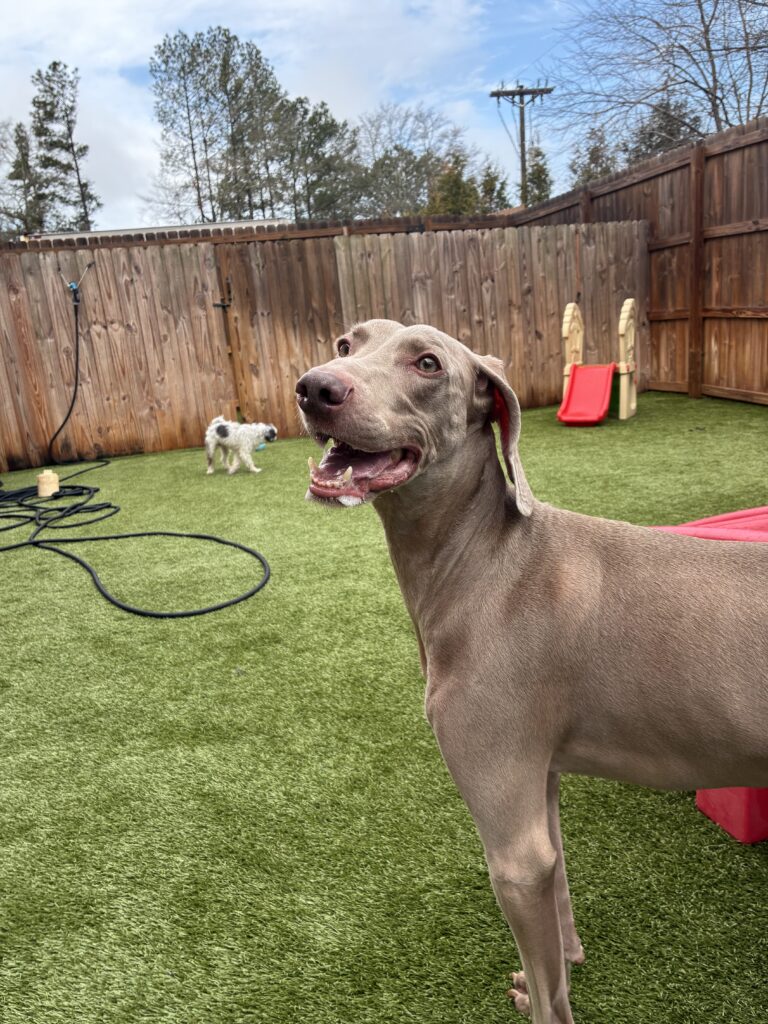
PawPlex Quick Guide for Pet Parents

Most dogs that need regular professional grooming do well with appointments about every 4 to 8 weeks. But the right schedule depends on your dog’s coat type, haircut, activity level, and brushing routine. Curly and long-haired dogs usually need closer attention than dogs with short, smooth coats.
Below, we explain how often different dogs need grooming, when to trim nails, how to care for their coats at home, and what Suwanee pet parents should consider throughout the year.
A good grooming schedule keeps your dog comfortable, not just looking tidy.
Why does regular dog grooming matter?
Grooming is about more than haircuts. Brushing helps remove loose hair, prevents tangles, and gives you a chance to notice changes in your dog’s skin. Regular nail care can help prevent nails from catching, splitting, or becoming uncomfortable.
Waiting too long between appointments can also make grooming harder. Tight mats can pull against the skin and may need to be clipped rather than brushed out. A routine that fits your dog’s coat is usually easier to maintain than dealing with heavy tangling all at once.
How often should you groom your dog by coat type?
Use this table as a starting point. Your groomer may recommend a different schedule based on the length of your dog’s coat, whether it mats easily, and how much brushing you do at home.
| Coat type | Example breeds | Professional grooming | Home brushing |
|---|---|---|---|
| Curly or wavy | Poodles, many Doodles, Bichons | About every 4–6 weeks | Daily or every other day |
| Long and silky | Shih Tzus, Maltese, Yorkies | About every 4–6 weeks | Often daily |
| Double coat | Golden Retrievers, Huskies, German Shepherds | About every 6–8 weeks or as needed | Several times weekly |
| Wire coat | Schnauzers, Westies, wire-haired terriers | About every 6–8 weeks | Once or twice weekly |
| Short or smooth | Beagles, Boxers, Dachshunds, Labs | Bath and nail care as needed | About once weekly |
These are general care ranges, not fixed rules. The best schedule depends on your individual dog.
Curly and wavy coats
Poodles, many Doodles, and Bichon Frises have coats that can tangle close to the skin. Professional grooming about every 4 to 6 weeks is often helpful. At home, brush carefully and check areas that rub, such as behind the ears, under the collar, and beneath the legs.
Long and silky coats
Shih Tzus, Maltese, and Yorkshire Terriers often need regular brushing and trimming around the eyes, paws, and sanitary areas. A shorter haircut may be easier to maintain if daily brushing is difficult to fit into your routine.
Double coats
Golden Retrievers, Huskies, and German Shepherds shed undercoat, sometimes heavily in spring and fall. Brushing and professional bathing or de-shedding can help remove loose fur. These dogs generally should not be shaved simply to reduce shedding. Ask a groomer or veterinarian before making a major change to a double coat.
Wire coats
Schnauzers and wire-haired terriers may need clipping or hand-stripping, depending on the breed and the style you want. Regular maintenance helps keep the coat neat and prevents tangles around the face and legs.
Short and smooth coats
Short-haired dogs usually do not need haircuts. They still benefit from occasional baths, nail care, and brushing to remove loose hair. Labrador Retrievers have short double coats and may shed more than some other short-coated breeds.
Not sure which grooming service your dog needs?
The PawPlex offers grooming based on your dog’s breed, coat condition, comfort, and the result you want. Explore dog grooming services before submitting your appointment request.
How often should you trim your dog’s nails?
For many dogs, checking nails every 3 to 4 weeks is a good starting point. Dogs that regularly walk on pavement may wear their nails down faster than dogs that spend more time on grass or carpets. Nails that click loudly on hard floors, catch on fabric, or start curling toward the paw should be checked.
Nail care may be needed between full grooming appointments. If your dog is uncomfortable with paw handling, tell the grooming team when you book.
How often should you bathe your dog?
Some dogs need a bath every few weeks, while others can go longer. It depends on coat type, skin health, activity level, and whether your dog gets dirty or develops an odor. Frequent bathing with the wrong shampoo can dry or irritate the skin.
Use a product made for dogs, rinse thoroughly, and dry the coat well. If your veterinarian has recommended a medicated shampoo, follow that schedule instead.
A bath and a full haircut are not the same service. Tell your groomer what your dog actually needs.
What signs mean your dog is ready for grooming?
Even if you have a regular schedule, look out for these signs between visits:
- Tangles or mats behind the ears, near the collar, or under the legs.
- Long nails that click on floors or catch on fabric.
- Hair covering the eyes or collecting debris around the paws.
- Excess loose fur during shedding season.
- Dirt or odor that suggests the coat needs cleaning.
If your dog has sudden hair loss, persistent itching, sores, redness, ear pain, or unusual skin odor, contact your veterinarian. These can be health concerns rather than ordinary grooming issues.
Does living in Suwanee, Georgia affect grooming needs?
Suwanee’s humid summers, spring pollen, and red clay can make regular coat care especially useful for dogs that spend time outdoors.
- Humidity: Dry thick coats thoroughly after baths and swimming.
- Pollen: Wipe paws and remove outdoor debris after walks. Ask your veterinarian about repeated itching.
- Red clay: Rinse muddy paws before dirt settles between the toes.
- Seasonal shedding: Brush more frequently when your dog is dropping extra undercoat.
These conditions may change your at-home brushing routine, but they do not automatically mean your dog needs more frequent haircuts or full baths.
How often should puppies and senior dogs be groomed?
Puppies
Short, positive visits can help puppies become comfortable with brushing, nail handling, grooming sounds, and meeting the groomer. Contact The PawPlex before a first visit to confirm age and vaccination requirements. You can also review the Requirements and Policies guide .
Senior dogs
Older dogs may have joint stiffness, sensitive spots, or less energy for long appointments. Shorter sessions or small changes to the grooming routine may be more comfortable. Share any mobility concerns, recent procedures, or handling limitations with the team.
What can you do at home between grooming appointments?
Small habits make the next grooming visit easier:
- Brush regularly using tools that suit your dog’s coat.
- Check nails, paw pads, and areas where tangles form.
- Wipe away mud and dry the coat after swimming or baths.
- Look for new bumps, redness, or changes in the skin.
- Help your dog get used to calm handling around the paws, ears, and face.
- Brush teeth regularly with pet-safe toothpaste. See The PawPlex’s pet tooth-brushing guide .
Frequently asked questions about dog grooming
Is grooming every four weeks too often?
Not necessarily. Many curly or long-haired dogs need professional grooming about every 4 to 6 weeks. The right frequency depends on the dog, coat length, and skin condition.
Can a dog go eight weeks between appointments?
Some can, especially dogs with short coats or styles that are easy to maintain. Dogs that mat easily may need shorter gaps between visits.
Do short-haired dogs need professional grooming?
They may not need haircuts, but professional baths, nail trims, and brushing can still be useful.
Should I shave my double-coated dog in summer?
Usually not just for cooling or shedding. Double coats serve important functions, and shaving can affect how they grow back. Ask your veterinarian or a knowledgeable groomer about your dog’s specific needs.
Can The PawPlex help choose the right service?
Yes. When requesting an appointment, describe your dog’s breed, coat condition, grooming history, and desired result. The team will review your request and confirm what is available.
Ready for your dog’s next groom?
Whether your dog needs a bath, coat maintenance, nail care, or a haircut, The PawPlex in Suwanee can help you discuss the right grooming service.
Tell us about your dog and request an appointment.
Submitting an application does not confirm an appointment. The team will follow up about availability and scheduling.
The PawPlex
3580 Lawrenceville Suwanee Road, Suite A
Suwanee, GA 30024
Need pickup or drop-off? Ask about Tail Waggin’ Transit for eligible grooming appointments.